2025 Peer Mentor Award winners announced
The Graduate Student Peer Mentor Awards recognize graduate students who exhibit stellar mentorship qualities.
The 2025 Peer Mentor Award winners are:
- Tory Ash
- Kellie Collins
- Veronika Kobrinsky
Tory Ash
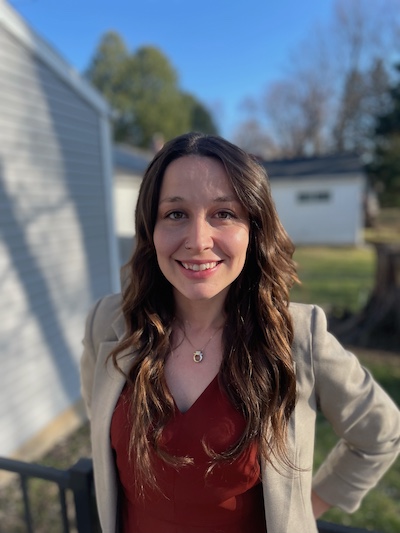
Tory Ash is a doctoral candidate in the School Psychology program at the University of Wisconsin–Madison. Her research focuses on enhancing equity in educational outcomes, particularly through the development and implementation of interventions aimed at reducing prejudice and bias in school settings. Tory has published extensively on topics such as diversity training for educators, mindfulness in education, and family-school partnerships. She is the recipient of several awards, including the TSP Graduate Student Scholarship and the SSSP Diversity, Equity, and Inclusion Dissertation Award. Beyond her research, Tory is dedicated to mentoring undergraduate and graduate students, fostering inclusive learning environments, and promoting social justice initiatives within the academic community.
Kellie Collins
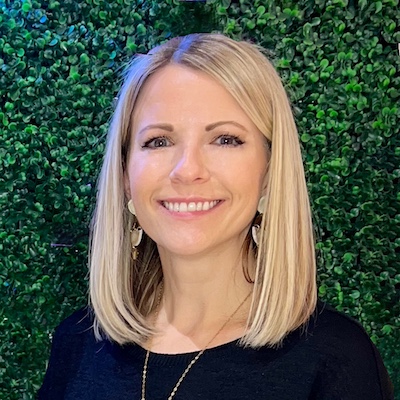
Kellie Collins, PT, DPT, PCS, is a PhD student in Clinical Investigation at the University of Wisconsin–Madison with a doctoral minor in Neuroscience. As a board-certified pediatric physical therapist and member of the Pediatric Neuromodulation Laboratory, her research investigates how early brain injury affects the development of the corticospinal tract and motor outcomes in infants. She utilizes advanced neuroimaging techniques, non-invasive brain stimulation, and clinical movement assessments to identify biomarkers of risk for cerebral palsy and inform early intervention strategies. A first-generation college student and former clinician with over a decade of pediatric experience, Kellie draws on her nontraditional path to connect with students and help them navigate their own educational journeys. She has mentored more than 40 students across training levels and frequently shares her story to support students who are exploring research, questioning their fit in academia, or navigating career uncertainty. She believes mentorship isn’t always about providing answers—it’s about helping students ask the right questions, reflect on what matters most, and find meaning in their work as they grow into professionals who lead with both insight and purpose.
Veronika Kobrinsky
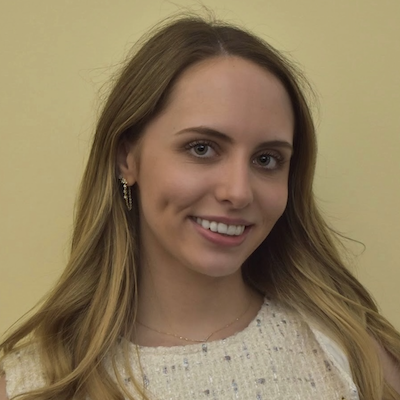
Veronika Kobrinsky is a PhD student in Clinical Psychology in the Department of Psychology and the Affect, Suicide, Self-Injury, and Social Triggers (ASSIST) Lab. She holds an master’s degree from Columbia University and a bachelor of science degree from Fordham University. Her research focuses on enhancing real-time detection and just-in-time interventions for self-injurious thoughts and behaviors (SITBs), using dissemination and implementation science frameworks. She is keenly interested in community-engaged research and in working with individuals with lived experiences to co-develop scalable, sustainable, and equitable treatments to reduce self-injury and suicide risk. Veronika is deeply committed to mentorship, shaped by her own journey as a first-generation student. Her philosophy centers on creating affirming, inclusive spaces where students, particularly those from underrepresented backgrounds, are supported in finding their voice, identifying their strengths, and building a sense of belonging in academia. She mentors international students through the NextGen Psychology Scholars Program, supporting them through every step of the graduate school and job application process. She also mentors undergraduate students across several labs, guiding independent research projects, facilitating professional development opportunities, and leading workshops. Additionally, she is involved in the National Science Foundation (NSF) Psychology Research Experience Program (PREP), which provides undergraduates with hands-on research experience. Veronika believes impactful mentorship is built on trust, empathy, collaboration, and humility. For her, mentors do not just open doors; they help students realize they already have the tools within them to walk through them. “Mentorship is a bridge that connects potential to possibility,” she said. “At its core, mentorship is believing in someone before they believe in themselves. In the moments when a student recognizes their own capacity and finds their voice in spaces where they once felt unseen or unheard, that is when I know our work together matters far beyond anything else. The most meaningful scholarship happens when we not only help open doors for others, but when we walk alongside them as they pave their own path forward.”