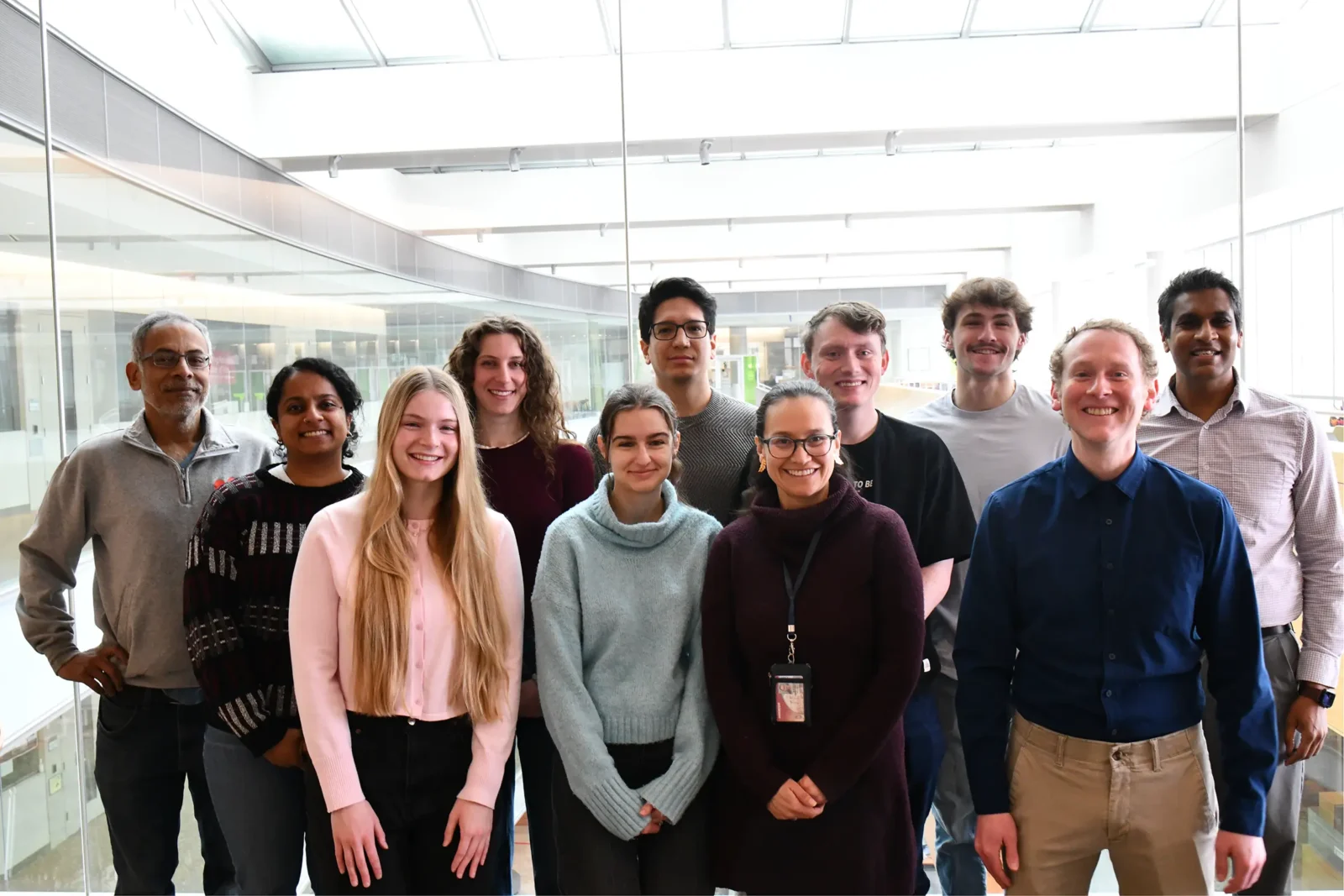
Wisconsin Idea in Action: PhD student brings immunotherapy closer to clinical trial
When Anna Tommasi was choosing a graduate school, biomedical engineering professor Krishanu Saha’s lab at UW–Madison stood out to her. Not only was it on a campus with the tools, research, and expertise necessary to work on her area of interest, but she knew her work wouldn’t need to stop at research publication.
“I saw a research-focused lab with real-world applications,” Tommasi said. “I was really drawn to that because I also would like to see a tangible impact in the work that I do.”
As a PhD student researching CAR T-cell therapies with Saha and professor of pediatrics Christian Capitini, Tommasi has certainly been able to work toward that vision.
In CAR T-cell therapy manufacturing, researchers engineer a patient’s immune cells (the T-cells) to better recognize and fight a specific disease or cancer. They do this by adding a Chimeric Antigen Receptor (CAR) to the cells that can uniquely lock onto surface proteins found on cancerous cells for more specific targeting.
Tommasi’s graduate research focuses on improving the accessibility and safety capabilities of CAR T-cell therapy. CAR T-cell therapy is very expensive, Tommasi said, in part due to the manufacturing of CAR T-cells at large enough scale for a human patient since a significant number of CAR T-cells are needed to adequately dose a patient. In addition, the failure rate in the manufacturing process can further complicate things, add significant cost, and set back the timeline for treatment. Tommasi is a chemical engineer and self-described “process efficiency person” who has helped optimize the Saha lab’s cell manufacturing process.
Current FDA-approved CAR T-cell therapies target blood cancers. Researchers like Tommasi aim to make this therapy available for brain cancers like glioblastoma and neuroblastoma.
To work toward this goal, Saha and Capitini have partnered with the manufacturing company Cellares to produce CAR T-cells at a large scale. Tommasi has helped translate the recipe for making cells in UW–Madison research labs into a process Cellares can use with their equipment. She leverages her deep expertise with cell processing for this work.
“We’ve taken that same exact CAR-T cell manufacturing process that we have developed in research labs on campus, and we are trying to push this specific CAR T cell therapy closer to clinical trials with Cellares,” Tommasi said.
Currently, the group is working to get approval from the FDA for a Phase 1 clinical trial. Working so directly with Cellares and FDA representatives has helped Tommasi gain the translational experience that is so important to shepherd lab discoveries into clinical practice.
“Being able to see the clinical aspect to the research is really exciting to me, and being able to see the progress from the start and follow through with this type of research has been a really big learning experience and incredibly fulfilling to be a part of,” Tommasi said.
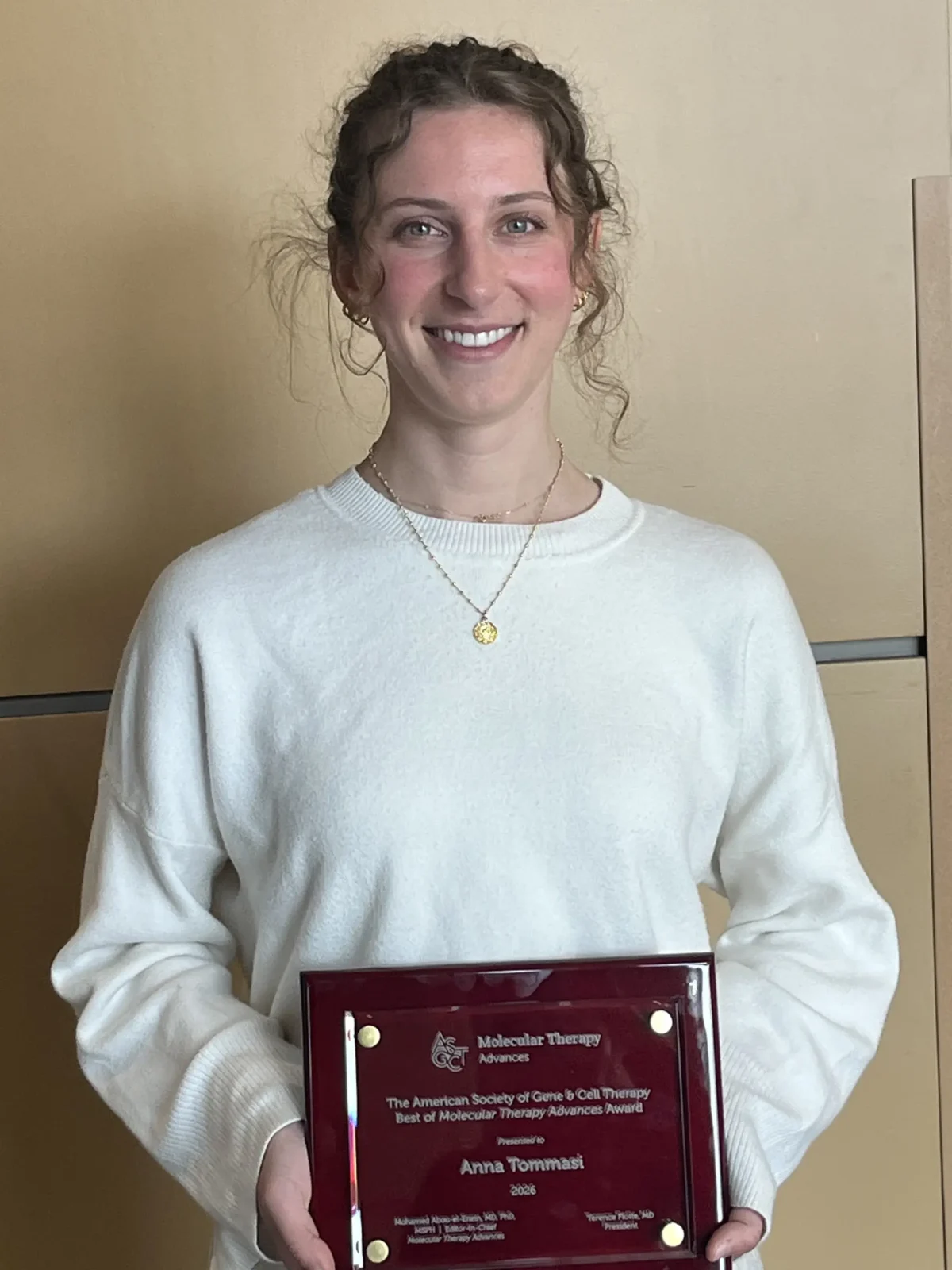
In addition to her research, Tommasi is passionate about outreach for science, technology, engineering, and math education. She’s done mock-CAR T-cell counting activities for high school students, volunteered at the Wisconsin Science Festival, has served as teaching assistant to a CRISPR Lab class on campus multiple semesters, and mentored many undergraduates in the Saha lab. The College of Engineering awarded Tommasi a mentoring award for Excellence in Department Support in spring 2026 recognizing her dedication and excellence.
Tommasi continues to work on engineering better CAR T-cells. And in the field overall, Tommasi noted there is a lot of exciting work toward new clinical trials that can further expand the treatment power of CAR T-cell therapies.
“CAR T-cell therapy is incredibly expensive right now,” Tommasi said. “Anything that we can do to ease the cost, ease the manufacturing workflow, is beneficial to manufacturing these therapies which is ultimately beneficial for the patients who receive these therapies.”