PhD student Chatterjee receives Young Investigator Award to support OCD research
PhD candidate Uma R. Chatterjee has received the 2026 International OCD Foundation (IOCDF) Michael Jenike Young Investigator Award.
This award provides $50,000 in research funding for Chatterjee’s dissertation, which bridges human and preclinical neuroscience to investigate how genetic and molecular changes within specific brain regions contribute to functional changes in the body that occur due to OCD.
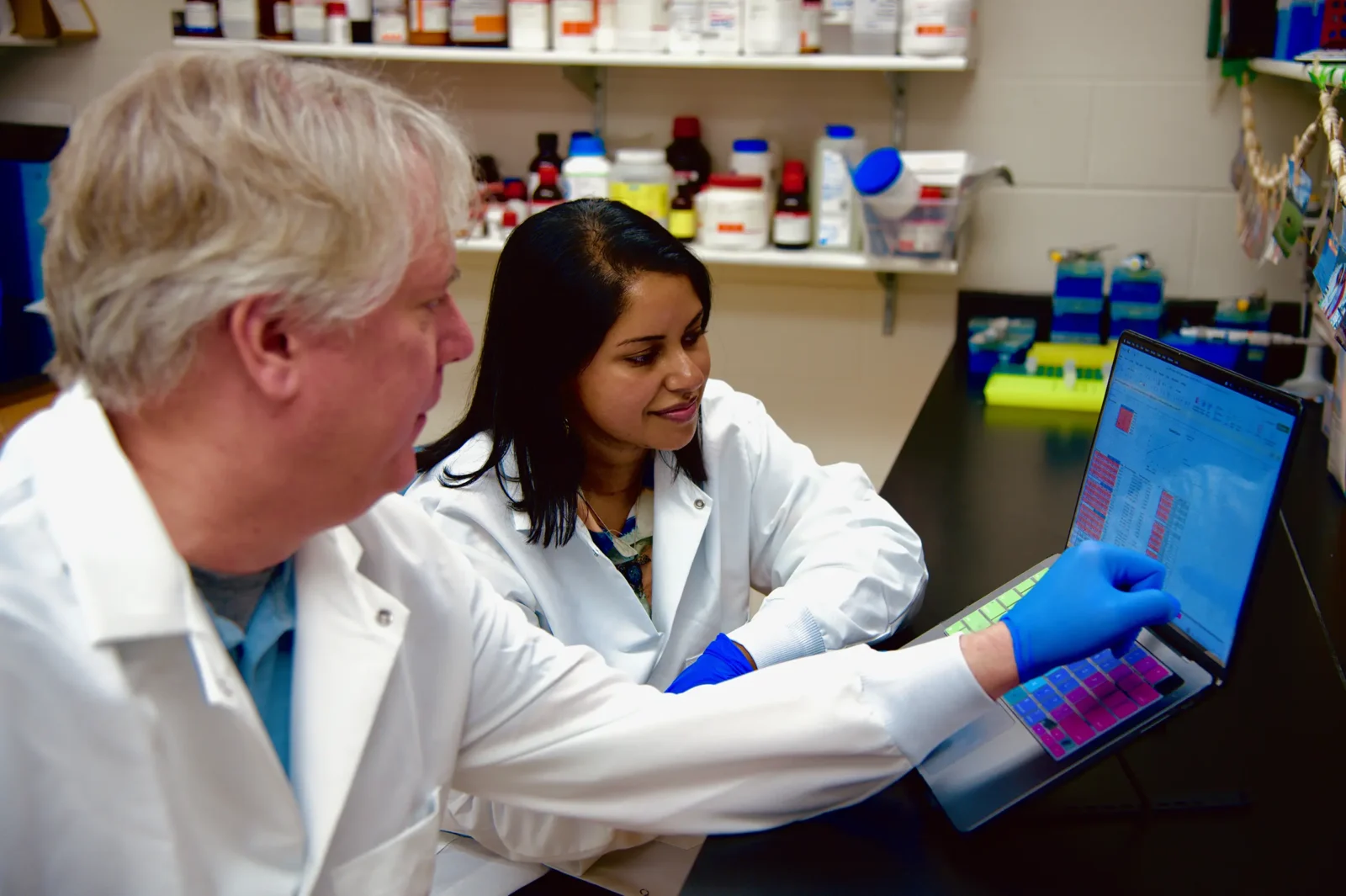
Chatterjee works with comparative biosciences professor Michael Cahill to examine the genetic, molecular, and circuit mechanisms underlying neuropsychiatric disorders. Her dissertation work aims to identify the biological mechanisms that cause OCD and ultimately lead to more effective therapies for OCD.
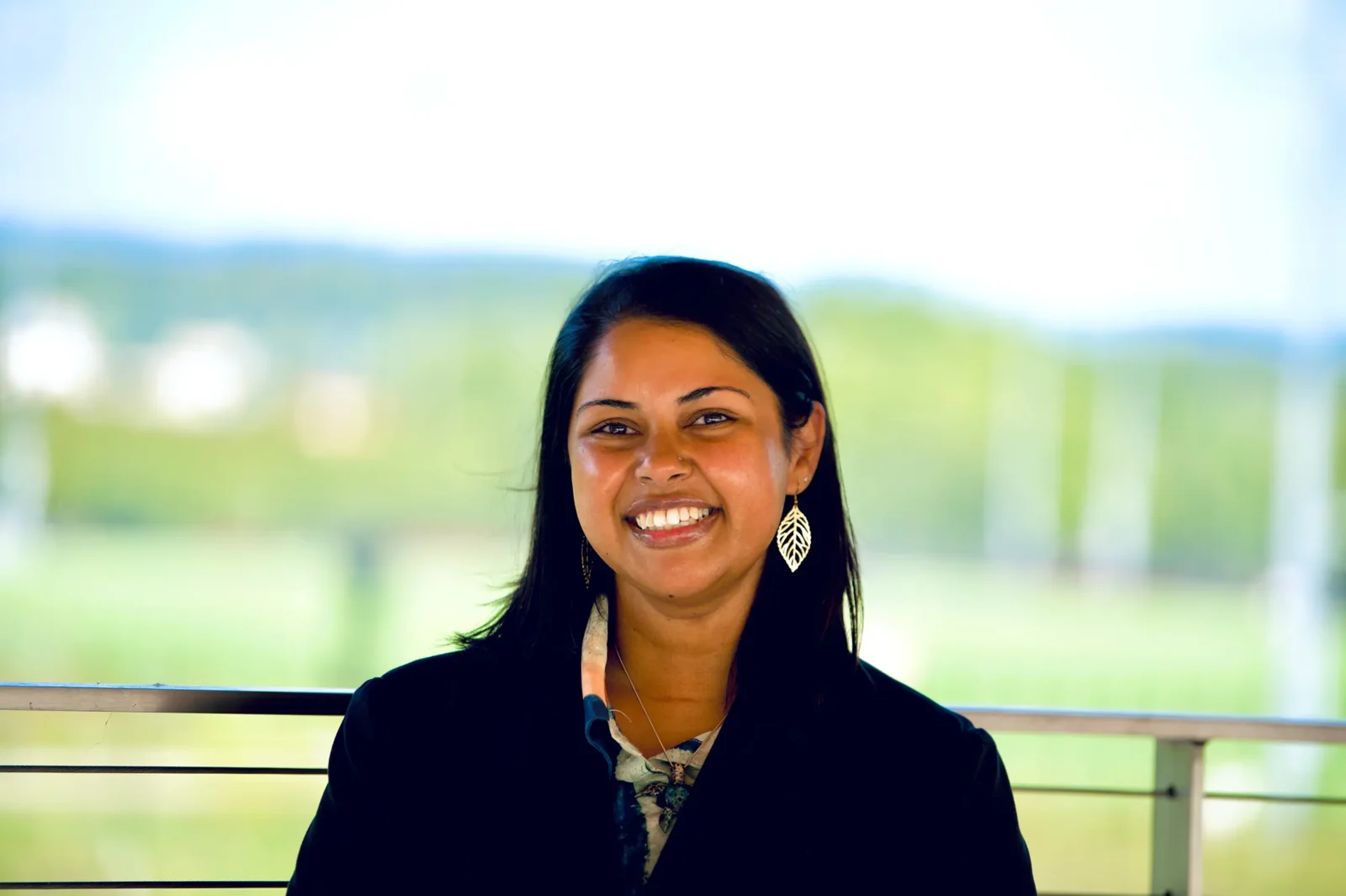
“Scientifically, we still do not understand enough about what is happening in the brain to cause it–and that lack of biological understanding limits our ability to develop treatments that are effective for everyone,” Chatterjee said. “My project aims to help close this gap by asking a more precise question: how do changes in specific genes, within specific parts of the brain, lead to the symptoms of OCD?”
Her scholarship is informed by her own experience of living with severe OCD. Alongside her research, Chatterjee has spent years working in mental health advocacy and science communication, working with people who have OCD to explain how it affects the brain and the importance of conducting OCD research. She said this has led to firsthand exposure to the substantive gaps in recognition, understanding, and treatment for OCD.
“I know firsthand the immense suffering this disorder can cause, and that experience is at the heart of why I have dedicated my life and scientific career to understanding its biology and ultimately helping develop more effective treatments for our community,” she said.
Chatterjee said receiving the IOCDF Michael Jenike Young Investigator Award is profoundly meaningful, both for her as a scientist and for her as someone with OCD.
“I am endlessly grateful to the OCD and lived-experience communities who motivate and inform everything I do,” she said. “It is an incredible privilege to pursue science in service of a community that I am so proud to be part of.”
Chatterjee is the Yi-ming and Hua-nien C. Yin Neuroscience Fellow and a PhD candidate in the Neuroscience Training Program at UW–Madison. She has previously received several prestigious awards and fellowships for her research, including as a recipient of the 2026 National Institutes of Health Outstanding Scholars in Neuroscience Award Program (NIH OSNAP).