Microbiology on Tap: MEG brings PhD students and the public together
Science happens everywhere, but in Madison, bars and breweries offer an especially fitting classroom. Two students from the Microbiology Doctoral Training Program, Joie Ling and Ania Bialic, saw local breweries and bars as an opportunity to get the public more engaged with microbiology.
Ling and Bialic co-founded the Microbiology Engagement Group (MEG). This group aims to bring PhD students, professors, and other faculty together with the local Madison community. MEG participates in events such as the Wisconsin Science Festival and Adult Nights at the Madison Children’s Museum.
Ling is a PhD student in Assistant Professor Andrew Hryckowian’s lab. She started running food fermentation workshops for her program. Ling said, “I wanted food fermentation and making foods to be a really good way to build a community.”
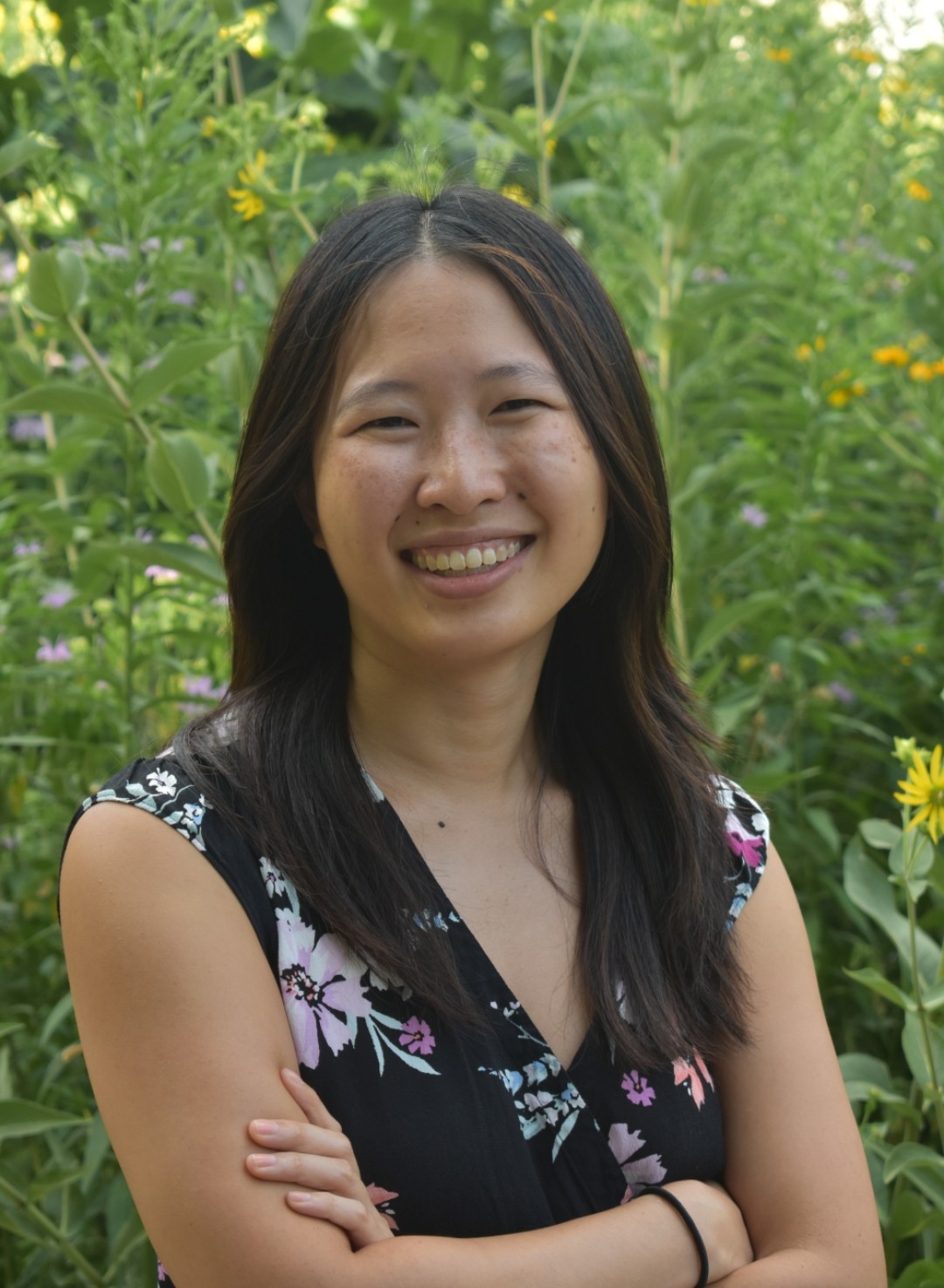
As the workshops grew in size with the addition of undergraduate students, Ling realized it was becoming too big for her to maintain on her own. This led to Ling co-founding MEG with Bialic. Ling said, “[their] motivation was to provide a framework and support more people, such as graduate and postdoctoral students, to get involved in planning and running events.”
With more people helping with MEG, Ling could devote more time to her community outreach, which is something she wants to pursue in her future career.
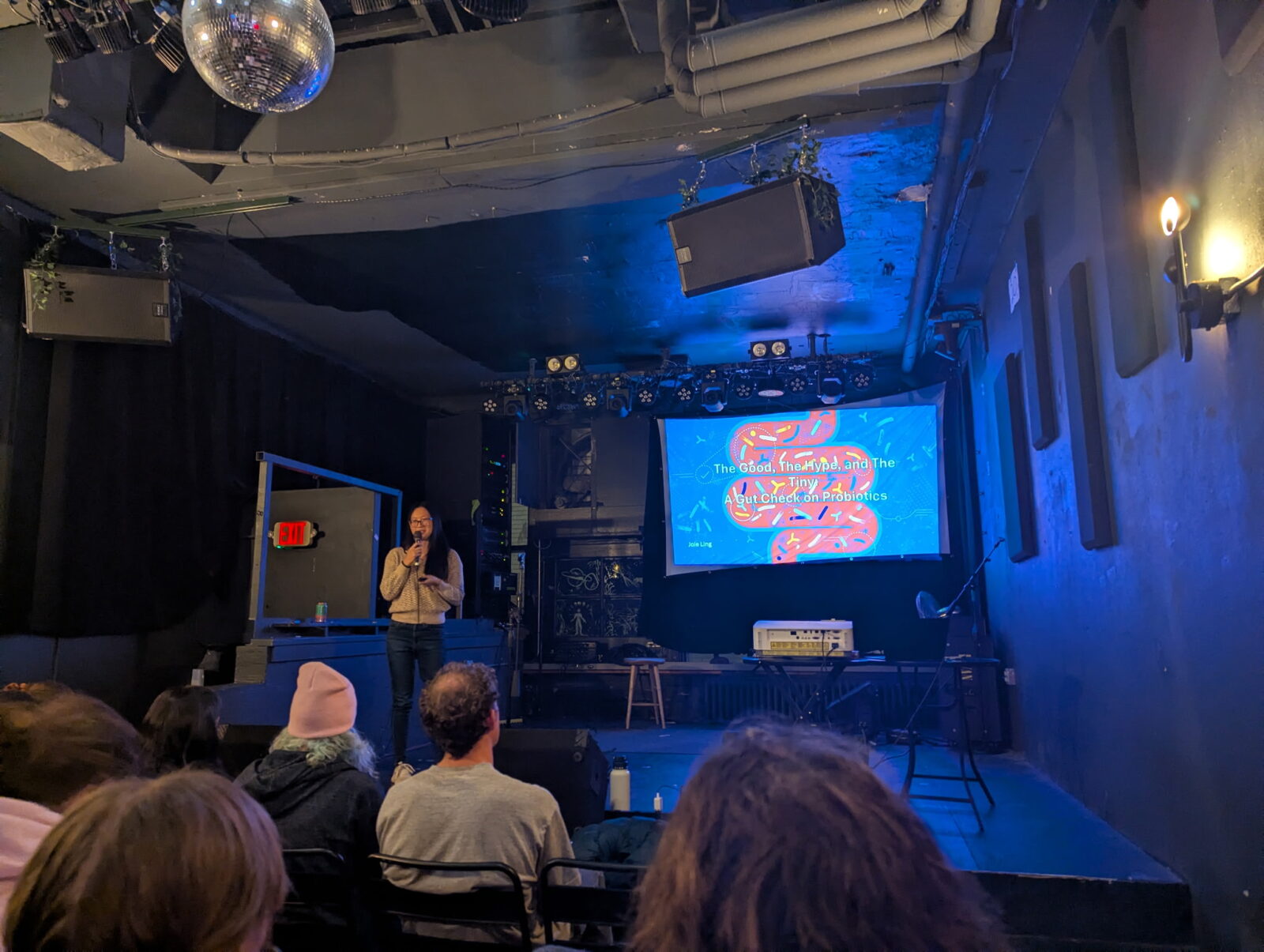
A unique event that MEG hosts is Microbiology on Tap, or just Micros on Tap. It’s a monthly talk series featuring three speakers, each giving a short, 15-minute talk geared toward the public (those without a scientific background) about something they’re passionate about.
For each event, MEG picks a common theme for the night and creates bingo sheets with keywords for the audience to follow along throughout the evening.
Speakers don’t have to talk about microbiology or even their current research at UW–Madison. Ling herself has given several talks, none of which relate to her PhD research.
At the end of each talk there is time for questions, which Ling said is her favorite part. “The public asks the best questions because they have no preconceived notions about the topic, they ask questions that stump speakers and really get them to think.”
Ling hoped Micros on Tap would provide “more engagement between the two sides [scientists and the public],” but she added “there is actually no sides and we’re all together in this.”
Ling said, “I think scientists, especially PhD students, benefit a lot from talking to the public too.” As a young scientist who is still learning herself, Ling recognizes she isn’t an expert yet and has a ways to go before she’d be considered one. But she also recognizes many scientists are in the same position as she is. For Ling this is the point: we are all here to learn.