Wisconsin Idea in Action: Graduate students keep Washburn Observatory open to the public
It’s not every day that you can interact with a 150-year-old instrument. But thanks to astronomers’ dedication, anyone can visit the Washburn Observatory on a clear Wednesday night and gaze through its historic telescope.
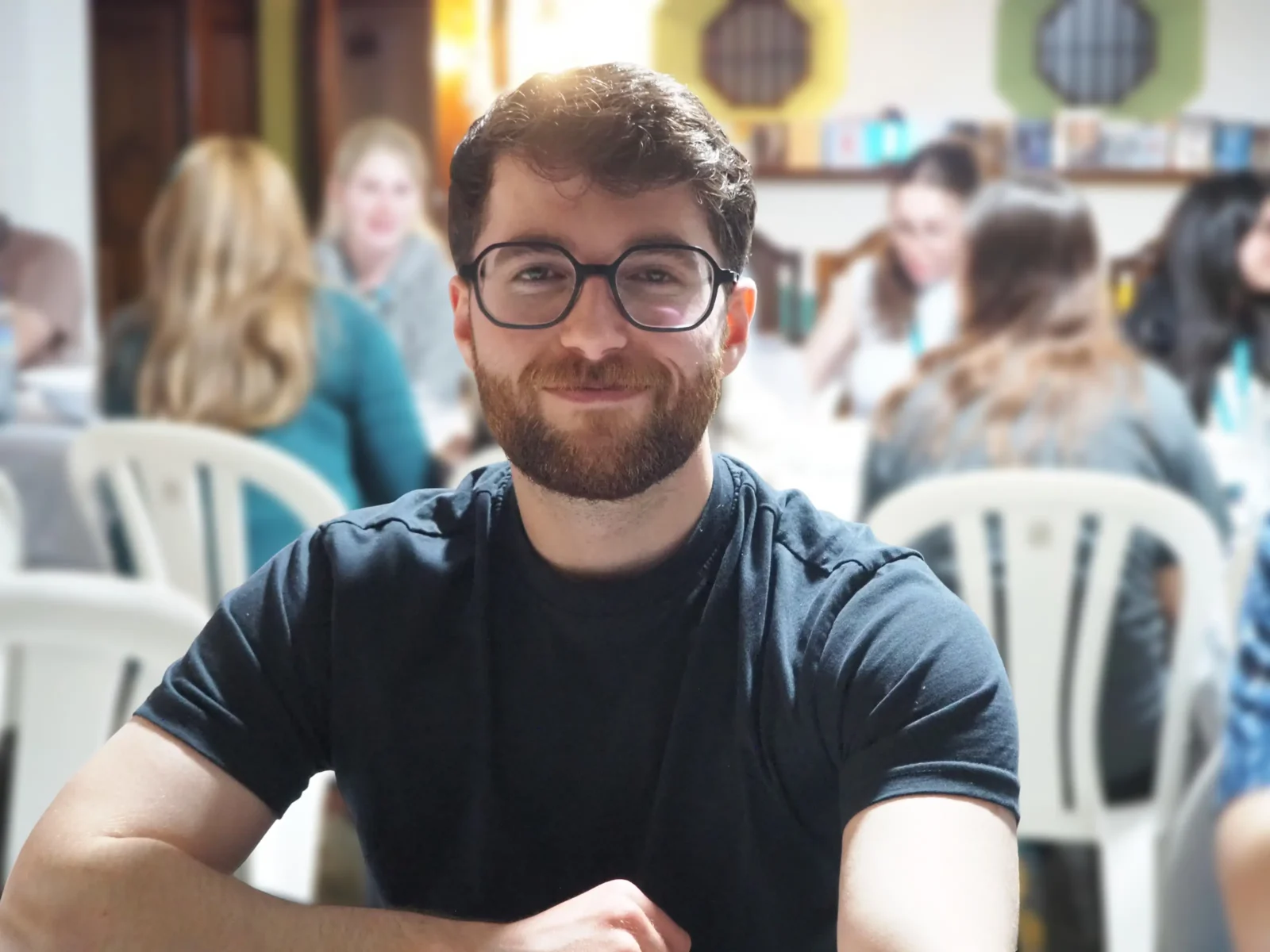
“Since Washburn’s official opening in 1881, there has been a consistent tradition of opening the observatory for the public to view stars, planets, and other celestial phenomena, which makes it certainly the longest science outreach program at UW,” said Eli Sofovich, a PhD student in astronomy who coordinates the public observing nights at Washburn.
Washburn Observatory is no longer used for scientific experiments. The telescope is largely still in its original form from 1881, and modern telescopes are orders of magnitude more powerful.
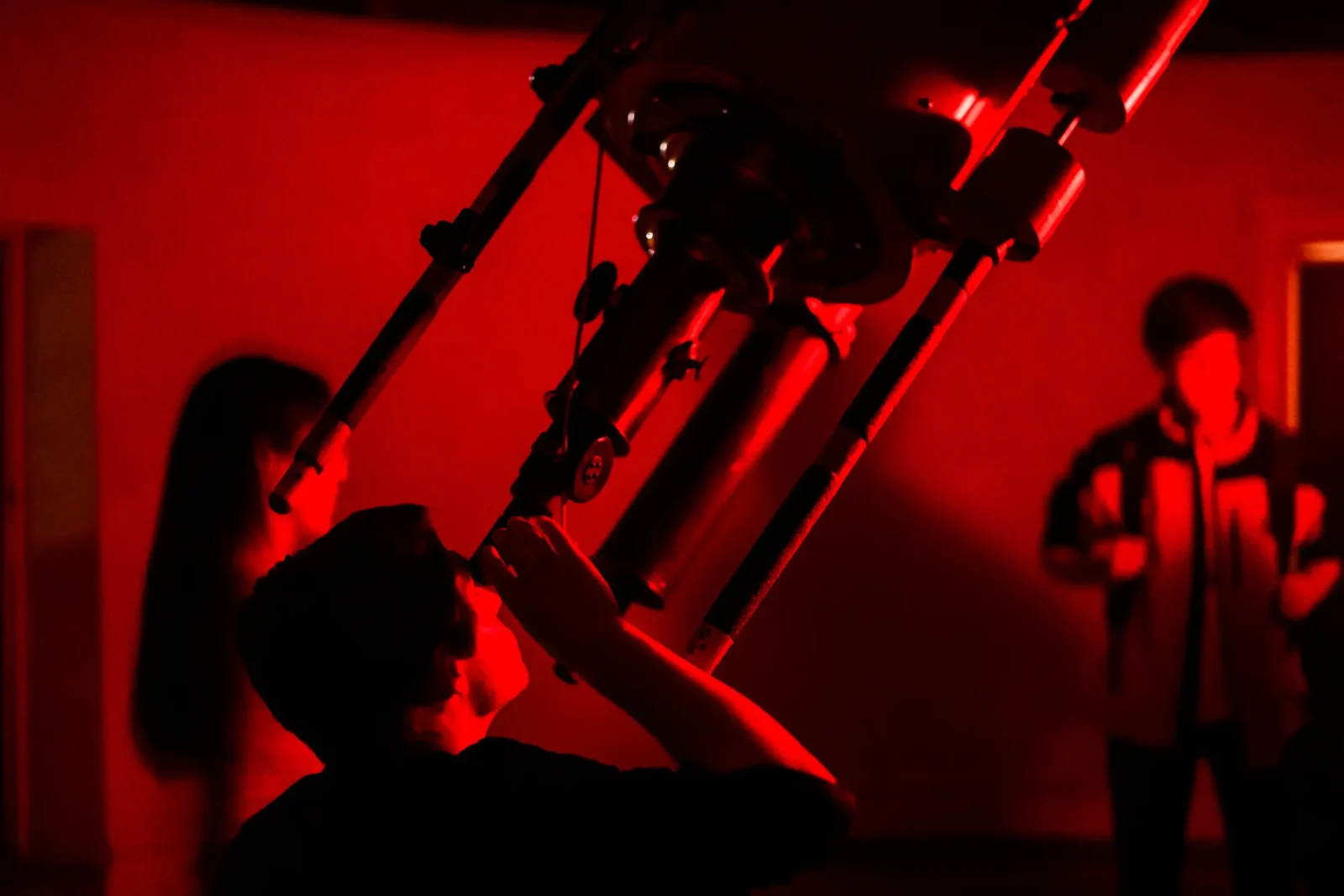
In some ways, this makes it easy for graduate students who volunteer at public observing nights to learn how to use the telescope, Sofovich said. It’s all controlled by hand. Yet, it’s still a large, possibly breakable instrument. The students Sofovich trains are often nervous to move the telescope — a valid concern.
“In some ways its priceless, because there’s no way to replace it,” he said. “The craftsmanship that built it back in the 1880’s doesn’t really exist.”
Now, Sofovich said, graduate students like him use the telescope for education and outreach.
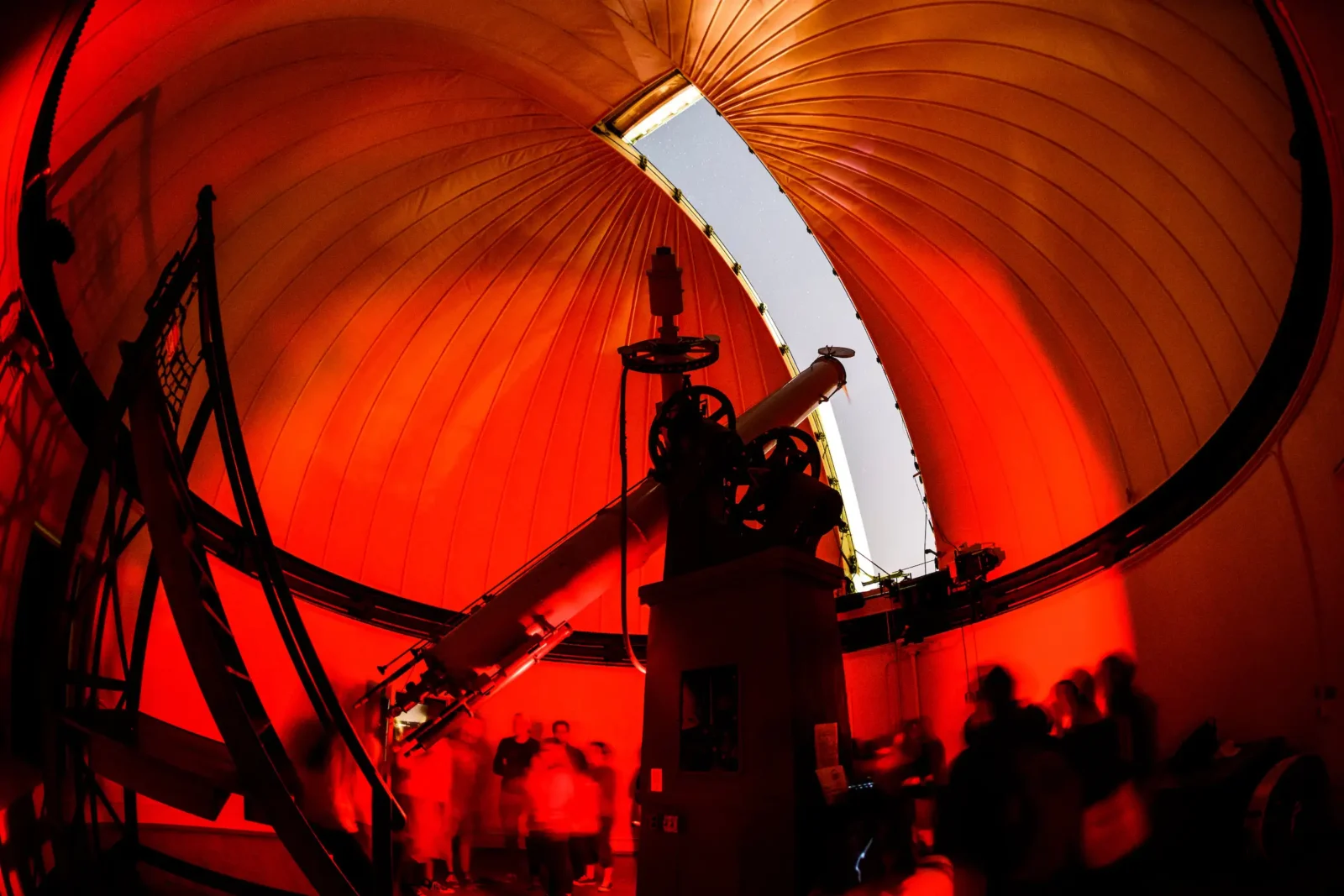
Every Wednesday in the summer, and twice a month the rest of the year, astronomy grad students open the dome of the observatory and position the telescope to give visitors a glimpse of something beyond our world. Anywhere from 40 to 120 people per night will visit to witness the wonders of the universe.
“It’s really cool to be there and to look through this telescope,” Sofovich said. “The people that come are wonderful people. They all have this curiosity, and they ask excellent, excellent questions. That’s the part of the job that really gives me the most fulfillment.”
At other times, Sofovich organizes tours and visits for everyone from school groups and summer camps to the Galaxy String Quartet, which recently played a concert at Washburn.
Sofovich first became interested in astronomy as an undergraduate when he listened to a podcast about the 50th anniversary of the Apollo 11 moon landing. Astronomy interested, challenged, and motivated him, and he never looked back. His PhD research explores how the ingredients for life could exist on planets outside of our solar system.
There’s an innate human curiosity that studying the universe inspires, Sofovich said.
“Any human that looks up at the night sky is an astronomer in a way,” he said. “There’s something that opens up the mind, thinking about your place in the universe, thinking about all sorts of these big topics and looking up at this vast, beautiful thing above us, wondering what’s out there.”
Thanks to a team of astronomy graduate students, alongside telescope mechanic Nick Devries and professor emeritus Jim Lattis, the Washburn Observatory remains a place where anyone can tap into their inner astronomer.
If you’d like to attend a Washburn public observing night, they take place weather permitting each Wednesday in June, July, and August, and the first and third Wednesdays the rest of the year. Sofovich’s favorite time of year for observing is winter. The air inside the observatory will be cold, since the dome will be open to the elements, but the sky conditions are generally sharper for observing. Check the website the day you plan to go to see whether observing is canceled due to the weather.