
Graduate Peer Mentor Awards
The Graduate Student Peer Mentor Awards recognize graduate students who exhibit stellar mentorship qualities. These graduate students are selected based on their ability to mentor undergraduate and/or graduate students, on or off campus.
Qualities of a Good Mentor
Willingness to share knowledge, skills, and expertise
A good mentor is willing to teach what they know and accept the mentee where they currently are in their professional development. Good mentors can remember what it was like just starting out in the field. The mentor does not take the mentoring relationship lightly, understands that good mentoring requires time and commitment and is willing to continually share information and their ongoing support with the mentee.
Provides guidance and constructive feedback
One of the key responsibilities of a good mentor is to provide guidance and constructive feedback to their mentee. This is where the mentee will most likely grow the most by identifying their current strengths and weaknesses and learning how to use these to make them successful in the field. A good mentor possesses excellent communication skills and is able to adjust their communication to the personality style of the mentee. A good mentor will also provide the mentee with challenges that will foster professional development and a feeling of accomplishment in learning the field.
Personal interest in the mentoring relationship
Good mentors do not take their responsibility as a mentor lightly. They feel invested in the success of the mentee. Usually this requires someone who is knowledgeable, compassionate, and possesses the attributes of a good teacher or trainer. Excellent communication skills are also required. A good mentor is committed to helping their mentees find success and gratification in their chosen profession. Overall good mentoring requires empowering the mentee to develop his/her own strengths, beliefs, and personal attributes.
Values the opinions and initiatives of others
A mentor who values others is also someone who works well in a team environment and is willing to share his/her success. A good mentor appreciates the ongoing effort of the mentee and empowers him/her through positive feedback and reinforcement.
Motivates mentees through setting a good example
A mentor is usually highly motivated, dedicated, and has a strong work ethic themselves and by exhibiting these qualities, sets a good example for mentees.
Looks for ways to improve mentoring skills
A mentor strives to improve her or his skills by keeping up with best practices. Fortunately, at UW–Madison there are a number of resources that can help with this. For instance, programs like Delta offer mentor training opportunities. The Institute for Clinical and Translational Research offers resources for research mentors. These and many other efforts have led UW–Madison to be a leader in mentoring.
Past Award Winners

Stephanie Adler

Stephanie is a PhD candidate in the Department of Kinesiology whose work centers on equity-driven mentorship and community building. As President of the KinEqT Mentorship Program, she leads a department-wide initiative that strengthens connections between undergraduate and graduate students. Through healthcare career exploration panels with program faculty and current students, as well as professional development workshops, the program expands access to mentorship, guidance, and professional development opportunities that help students navigate their academic and career paths with confidence.
In her doctoral research, Stephanie examines clinical onboarding in athletic training and is developing a stakeholder-informed framework to help students feel more prepared, supported, and connected as they enter clinical practice. Across her teaching, service, and scholarship, she is guided by the belief that mentorship is a transformative force that fosters belonging, shapes professional identity, and enables students to thrive.
Vu Ngoc Huong Tran

Vu Ngoc Huong Tran is a doctoral candidate in the Pharmaceutical Sciences program at the University of Wisconsin–Madison School of Pharmacy. Her research sits at the intersection of neuroscience, analytical chemistry, and pharmaceutical sciences. Her primary expertise lies in utilizing advanced mass spectrometry to discover and quantify novel neuropeptides, which are critical signaling molecules within the nervous system, in both relatively simple crustacean neural circuits and the more complex rat models under various environmental and pathological conditions. She has been a research mentor for many junior members of the Li lab, ranging from beginning graduate students and undergraduate students to a high school student. Her mentorship centers on empathy, trust, and collaboration, providing mentees with opportunities to learn and contribute to meaningful scientific research while celebrating their growth and encouraging them to become independent innovators. She is committed to fostering a supportive research environment where young scientists can develop confidence, curiosity, and a lasting passion for scientific discovery.
Ishan Vengurlekar

Ishan Vengurlekar is a School Psychology doctoral candidate at the University of Wisconsin–Madison. Broadly, Ishan’s research interests center on early intervention for youth with elevated mental health challenges. He is particularly interested in leveraging and optimizing brief mental health interventions in schools to a) reduce the burden on school staff and b) ensure every student with heightened concerns receives treatment. Ultimately, he hopes to revamp mental health interventions to be more cost-effective, flexible, and accessible as a method to mitigate the needs-access gap in youth mental health treatment. Ishan is also strongly passionate about mentoring. Throughout his graduate training, Ishan has mentored several undergraduate students interested in pursuing doctoral psychology programs. He is especially invested in providing mentorship to marginalized or minoritized students who may have fewer mentorship opportunities and reduced access to professional resources. To meet his mentees’ needs, Ishan often employs a developmental model of mentorship, tailoring feedback, instruction, and guidance depending on the skills and goals of each mentee. Ishan will begin his predoctoral internship at the Munroe Meyer Institute as part of the University of Nebraska Medical Center, where he will specialize in the research on and provision of school mental health services. He looks forward to continuing his mentoring work throughout his internship and career.
Benjamin Lebovitz

Ben Lebovitz (they/he) is a PhD candidate in the Department of Educational Leadership & Policy Analysis and an Institute of Education Sciences Predoctoral Fellow at the University of Wisconsin–Madison. Their scholarship investigates how educational leadership, politics, and organizational practices shape opportunities, belonging, and well-being for LGBTQ+ and other marginalized youth. Drawing on experience as a high school teacher and Gender and Sexuality Alliance (GSA) advisor, Ben’s research examines how supportive adults, inclusive school environments, and policy contexts influence student well-being and institutional belonging. Their work centers on how educators and leaders can create affirming, equitable conditions for marginalized youth.
A former Arizona Teacher of the Year finalist, Ben is deeply committed to mentorship as an integral part of education, making the hidden curriculum of academia visible and building networks of peer and mentor support through writing groups, peer mentorship structures, and graduate professional development programming. Their recent service has included leadership in their department’s graduate student organization, LEADS, and national professional organizations, including the University Council for Educational Administration (UCEA) and the American Educational Research Association (AERA). Ben continues to partner with schools, professional organizations, and community groups to translate research into practice through workshops, leadership institutes, and research-practice partnerships that extend mentorship and scholarship beyond the university in supporting educators and emerging scholars in building more inclusive, affirming educational environments.
Ellie Kincaid

Ellie Kincaid is a PhD student in English literary studies at the University of Wisconsin–Madison. Their research in queer and trans ecologies considers the relationships between queer/trans people and the outdoors through the form of adventure memoirs. Ellie is a founding member of the Trans Natureculture Collective, a Borghesi Mellon Workshop for interdisciplinary study, an editor at the environmental humanities magazine Edge Effects, and a winner of the UW–Madison Early Excellence in Teaching Award.
They are proud to work with students as an English 100 instructor, a writing instructor in the Writing Center and the Madison Writing Assistance program, and a career advisor to undergraduate English majors. Ellie’s research, teaching, and mentorship are driven by the core values of access, belonging, and community. They center underrepresented students, build relationships across difference, prioritize racial and linguistic justice, and most of all, they listen to and learn from students.
Yang Liu

Yang Liu is a PhD candidate in the Department of Electrical and Computer Engineering at UW–Madison, where he develops advanced heterostructures to create electronic devices that surpass conventional physical limits. Remembering his own undergraduate journey—where he possessed intense curiosity but lacked the relatable peer guidance and hands-on autonomy he sought—Yang is dedicated to being the “interlayer” for the next generation. He serves as a bridge, leading students as they navigate the challenging transition from textbook theory to hands-on cleanroom fabrication.
Yang’s mentorship philosophy is built on a “peer-to-peer” dynamic, fostering a sense of belonging that allows students to see themselves as scientists rather than just lab assistants. By fostering “troubleshooting grit” and treating mentees as genuine research partners, he has mentored 10 undergraduate students, inspiring many to pursue PhD degrees at top-tier graduate schools. For Yang, the most impactful moment of mentorship is when a student stops seeking the “correct answer” from him and starts leading the mentor toward a solution. He is honored to help build the next generation of resilient, independent engineers and researchers who will rise to lead the scientific breakthroughs of tomorrow.
Tory Ash
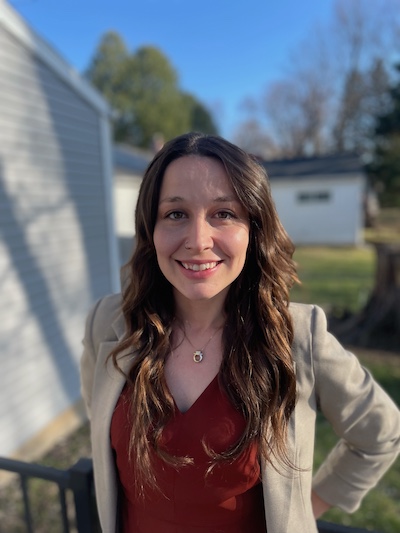
Tory Ash is a doctoral candidate in the School Psychology program at the University of Wisconsin–Madison. Her research focuses on enhancing equity in educational outcomes, particularly through the development and implementation of interventions aimed at reducing prejudice and bias in school settings. Tory has published extensively on topics such as diversity training for educators, mindfulness in education, and family-school partnerships. She is the recipient of several awards, including the TSP Graduate Student Scholarship and the SSSP Diversity, Equity, and Inclusion Dissertation Award. Beyond her research, Tory is dedicated to mentoring undergraduate and graduate students, fostering inclusive learning environments, and promoting social justice initiatives within the academic community.
Kellie Collins
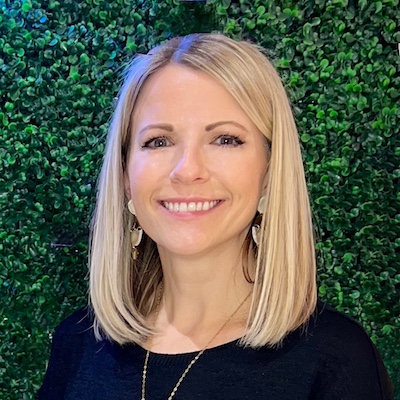
Kellie Collins, PT, DPT, PCS, is a PhD student in Clinical Investigation at the University of Wisconsin–Madison with a doctoral minor in Neuroscience. As a board-certified pediatric physical therapist and member of the Pediatric Neuromodulation Laboratory, her research investigates how early brain injury affects the development of the corticospinal tract and motor outcomes in infants. She utilizes advanced neuroimaging techniques, non-invasive brain stimulation, and clinical movement assessments to identify biomarkers of risk for cerebral palsy and inform early intervention strategies. A first-generation college student and former clinician with over a decade of pediatric experience, Kellie draws on her nontraditional path to connect with students and help them navigate their own educational journeys. She has mentored more than 40 students across training levels and frequently shares her story to support students who are exploring research, questioning their fit in academia, or navigating career uncertainty. She believes mentorship isn’t always about providing answers—it’s about helping students ask the right questions, reflect on what matters most, and find meaning in their work as they grow into professionals who lead with both insight and purpose.
Veronika Kobrinsky
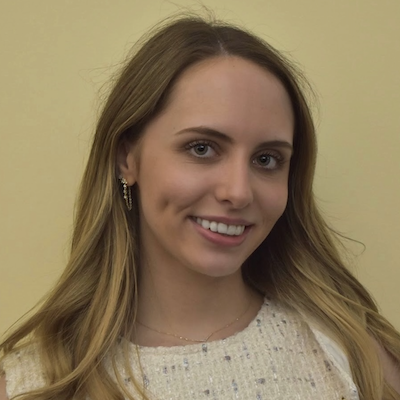
Veronika Kobrinsky is a PhD student in Clinical Psychology in the Department of Psychology and the Affect, Suicide, Self-Injury, and Social Triggers (ASSIST) Lab. She holds an master’s degree from Columbia University and a bachelor of science degree from Fordham University. Her research focuses on enhancing real-time detection and just-in-time interventions for self-injurious thoughts and behaviors (SITBs), using dissemination and implementation science frameworks. She is keenly interested in community-engaged research and in working with individuals with lived experiences to co-develop scalable, sustainable, and equitable treatments to reduce self-injury and suicide risk. Veronika is deeply committed to mentorship, shaped by her own journey as a first-generation student. Her philosophy centers on creating affirming, inclusive spaces where students, particularly those from underrepresented backgrounds, are supported in finding their voice, identifying their strengths, and building a sense of belonging in academia. She mentors international students through the NextGen Psychology Scholars Program, supporting them through every step of the graduate school and job application process. She also mentors undergraduate students across several labs, guiding independent research projects, facilitating professional development opportunities, and leading workshops. Additionally, she is involved in the National Science Foundation (NSF) Psychology Research Experience Program (PREP), which provides undergraduates with hands-on research experience. Veronika believes impactful mentorship is built on trust, empathy, collaboration, and humility. For her, mentors do not just open doors; they help students realize they already have the tools within them to walk through them. “Mentorship is a bridge that connects potential to possibility,” she said. “At its core, mentorship is believing in someone before they believe in themselves. In the moments when a student recognizes their own capacity and finds their voice in spaces where they once felt unseen or unheard, that is when I know our work together matters far beyond anything else. The most meaningful scholarship happens when we not only help open doors for others, but when we walk alongside them as they pave their own path forward.”
Kenneth Martinez
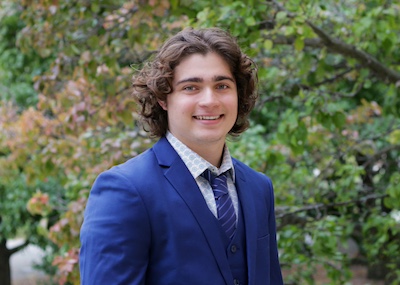
Kenneth Martinez is a chemical engineering PhD candidate in the Avraamidou Circular Economy Systems Engineering Group. His research aims to elucidate the viability of sustainable chemical energy carriers—such as hydrogen, methanol, and ammonia—and their integration into powertrains for electromobility. This is achieved through comprehensive analyses incorporating circular economy, techno-economic, and life cycle assessments. With these assessments, he aims to make data-driven models from the most promising energy carrier supply chains. With optimization and machine learning techniques, Kenneth will optimize these interconnected supply chains and develop a robust decision-making tool that can provide tailored solutions for the transportation sector. This tool will take into consideration a holistic approach that includes environmental, social, economic, and technical aspects while achieving specific objectives of stakeholders and policymakers in facilitating data-driven decisions that can accelerate the transition to sustainable transportation fuels. Kenneth serves in the Graduate Education for Research Scholars (GERS) program by supporting underrepresented students to achieve their career goals. He also serves as a mentor through the Undergraduate Research Scholars (URS) program, preparing and guiding undergraduates in achieving fulfilling research experiences. His mentorship style is rooted in understanding his mentees’ unique backgrounds, interests, and goals by maintaining an open and supportive mentor-mentee relationship conducive to growth. Reflecting on his mentorship experiences, Kenneth finds great fulfillment in assisting his mentees with critical decisions that shape their academic and professional future. By sharing his personal experiences and employing structured decision-making analysis, he empowers them to make informed choices that align with their aspirations and goals.
Emily Nott
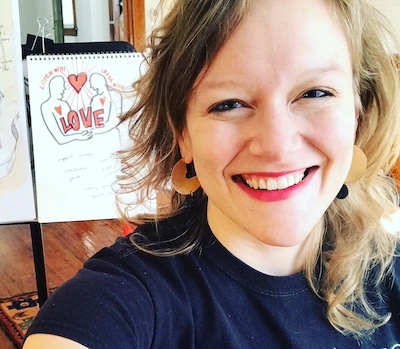
Emily Nott (MEd, she/they) is a doctoral student in the Department of Curriculum and Instruction. She is an educator, facilitator, artist, and musician. They are passionate about critical, youth-centered teaching and learning and community arts as a tool for social change. She instructs and co-instructs with Dr. Carl A. Grant for a course on Multiculturalism and Social Justice and with Dr. Erica Halverson for a course on Arts Integration. She is a member of the CALL to Equity Centered Leadership research project and a coordinator for the annual Play Make Learn conference in Madison. Previously, she served as the Director of Learning Communities at After School Matters in Chicago, where she developed teaching and learning supports for a community of hundreds of teaching artists across the city. They’re also a member and organizer with Teachers for Social Justice, and have installed multiple large-scale public arts installations throughout the Midwest. She holds an master of education degree in Instructional Leadership from the University of Illinois at Chicago, a bachelor of arts in Arts and Public Life from Michigan State University, and a bachelor of fine arts in Art Education from Michigan State University.
Nathan Petersen
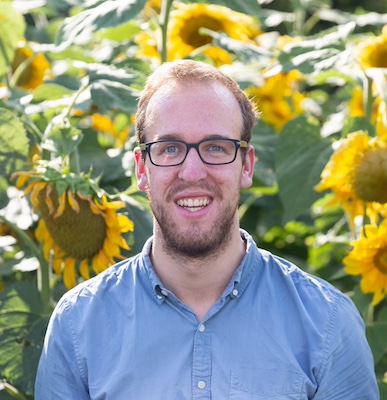
Nathan Petersen is a PhD candidate in the Department of Electrical and Computer Engineering. His research investigates advanced electric motor technology and spans motor design, modeling and analysis, control algorithms, and real-time embedded system deployment. He has worked as a student member of the Wisconsin Electric Machines and Power Electronics Consortium (WEMPEC) for the past six years. As part of WEMPEC, he has had the opportunity to mentor over 15 undergraduate and graduate students on lab projects and independent studies. Nathan takes a keen interest in helping students gain a foundation of lab-related skills that will propel them in their educational and professional journey. His mentorship style is “student first” where projects are uniquely designed to match the students’ interests and abilities, while always pushing them forward in skillset. After graduation in May 2024, Nathan plans to start a company to commercialize his PhD research.

Naomi Isenberg
Naomi Isenberg is a social psychology PhD candidate in the Department of Psychology. Her research focuses broadly on examining different mechanisms of promoting inclusion. Her dissertation specifically aims to understand the misperceptions individuals have about their peers’ support for diversity, equity, and inclusion and using social norms messaging to correct these misperceptions and improve intergroup attitudes and behaviors. Throughout graduate school, Naomi has served in her department’s Climate and Diversity Committee and Graduate Student Social Events Committee. She also designs and facilitates diversity training workshops for groups in and outside UW–Madison. Naomi has a keen interest in mentoring students who are first-generation college students and students from historically marginalized groups. Her mentorship style is to be a source of support for whatever academic and career goals her mentees have, and to help them identify and pursue opportunities available to them.

Paul J. Kelly
Paul Kelly is a PhD candidate in the Department of Philosophy. Paul holds an MA in History & Philosophy of Science from Indiana University Bloomington and an MA in Philosophy from Tufts University. His research concerns how models in cognitive science represent and explain. He has over 10 years of teaching experience at a variety of different educational institutions. Paul also works as a mentor through the Undergraduate Research Scholars (URS) program, helping undergraduate students develop the skills necessary to conduct research, compose scholarly articles, and present at academic conferences. Additionally, Paul is Secretary of the Graduate Student Council (GSC) of the American Philosophical Association (APA), a position that enables him to advocate for policies and practices that advance the interests of all students of philosophy, graduate and undergraduate alike.

Kiley McLean
Kiley McLean will be graduating this May with her PhD in Social Welfare from the Sandra Rosenbaum School of Social Work at the University of Wisconsin–Madison. She currently works in the Aging and Health Equity in Autism and Developmental Disabilities (AHEADD) lab. Her research focuses broadly on improving the health, social, and economic well-being of adults with developmental disabilities as they transition into adulthood and age, through inclusive and comprehensive policies. Kiley is also currently teaching her fifth course as an independent instructor. Over the past semesters, she has taught courses in Macro Social Work, Social Policy, and Issues in Developmental Disabilities to social work master’s students. Kiley has served in numerous informal and formal mentorship roles to other graduate students and TA’s throughout her five years in the doctoral program. She is incredibly passionate about Universal Design and maximizing access to higher education for every type of learner.
Alexandra Lakind

Alexandra Lakind is a joint PhD candidate in the School of Education and the Nelson Institute for Environmental Studies. In addition to working on a dissertation focusing on the politicization of the child in climate activism, Lakind has initiated numerous public-facing arts and humanities projects both on and off campus. This work has been supported by Water@UW–Madison; the Wisconsin Center for Education Research; the Center for the Humanities; the Holtz Center for Science and Technology Studies; and the Center for Culture, History, and Environment, among others. Within these projects, Lakind devised pathways for undergraduates, masters, and doctoral students to engage. A dedication to mutual respect and enjoyment bolstered meaningful peer mentorship that allowed these projects to flourish and evolve.
Christopher Hulshof

Chris is a PhD student in the Department of History at the University of Wisconsin–Madison. His research focuses broadly on Cold War History, Empire, Southeast Asia, and U.S. Foreign Relations. Chris holds an MA in Southeast Asian Studies from UW–Madison, an MA in History from UW–Madison, and a BA in History from the University of California, Berkeley. He has held several RAships and PAships in Madison in addition to his work with multiple academic organizations both on and off campus. He is also the UW–Madison representative for the Graduate Education & Training in Southeast Asia (GETSEA) consortium. Chris is currently TAing his fifth course for the Department of History and has acted as both a Graduate Student and a TA mentor for numerous incoming students in the department. Prior to graduate school, Chris worked in numerous fields including politics, entrepreneurship, K-12 education, and corporate management.
Caroline Hensley

Caroline Hensley is a PhD candidate in the English program in literary studies. Her research examines how contemporary transnational literatures engage with notions of health and disability in the context of ongoing colonial and imperial relations. She serves as the co-chair of the English Graduate Student Association, which aims to support graduate students’ professional goals and inclusive community-building. Additionally, in both a past role as the Mellon-Morgridge Fellow for the Constellations program on “Health and Inequality,” and in her current role as the Career Advisor for the English major, Caroline closely mentors undergraduates. Her advising practice is centered around encouraging interdisciplinary thought and making employment pathways more accessible and equitable. She is deeply energized by these conversations with students about how they envision using their humanities training to address social concerns and embark upon fulfilling careers.
The Bucky Awards are presented by the Student Leadership Program in partnership with the Associated Students of Madison. The Graduate School sponsors the Graduate Peer Mentor Award as part of the Bucky Awards.
The Graduate School
217 Bascom Hall
500 Lincoln Drive
Madison, WI 53706
Front Desk Hours:
Fall and Spring Hours
(September – April):
Monday – Friday
10 am – 3 pm
Summer Hours (May – August):
Monday – Friday
10 am – noon
Faculty/Staff Resources
Connect
Prospective students and applicants:
Current students: