Postdoctoral Affairs moves to the Graduate School
As of July 1, the Office of Postdoctoral Affairs (OPA) has moved to the Graduate School. OPA promotes excellence in postdoctoral training for more than 800 postdocs on campus. These individuals are appointed as research associates, postdoctoral fellows, and postdoctoral trainees. OPA develops campus-wide policies and procedures, assists faculty in recruiting, mentoring, and training postdocs, and provides innovative professional development and community building opportunities for postdocs.
The School of Medicine and Public Health first established what was then named the Office of Postdoctoral Studies in 2012. In 2015, it was formalized as a campus-wide office in partnership with the Office of the Vice Chancellor for Research. The change recognized that all UW–Madison postdocs and their mentors would benefit from the support services the office provided.
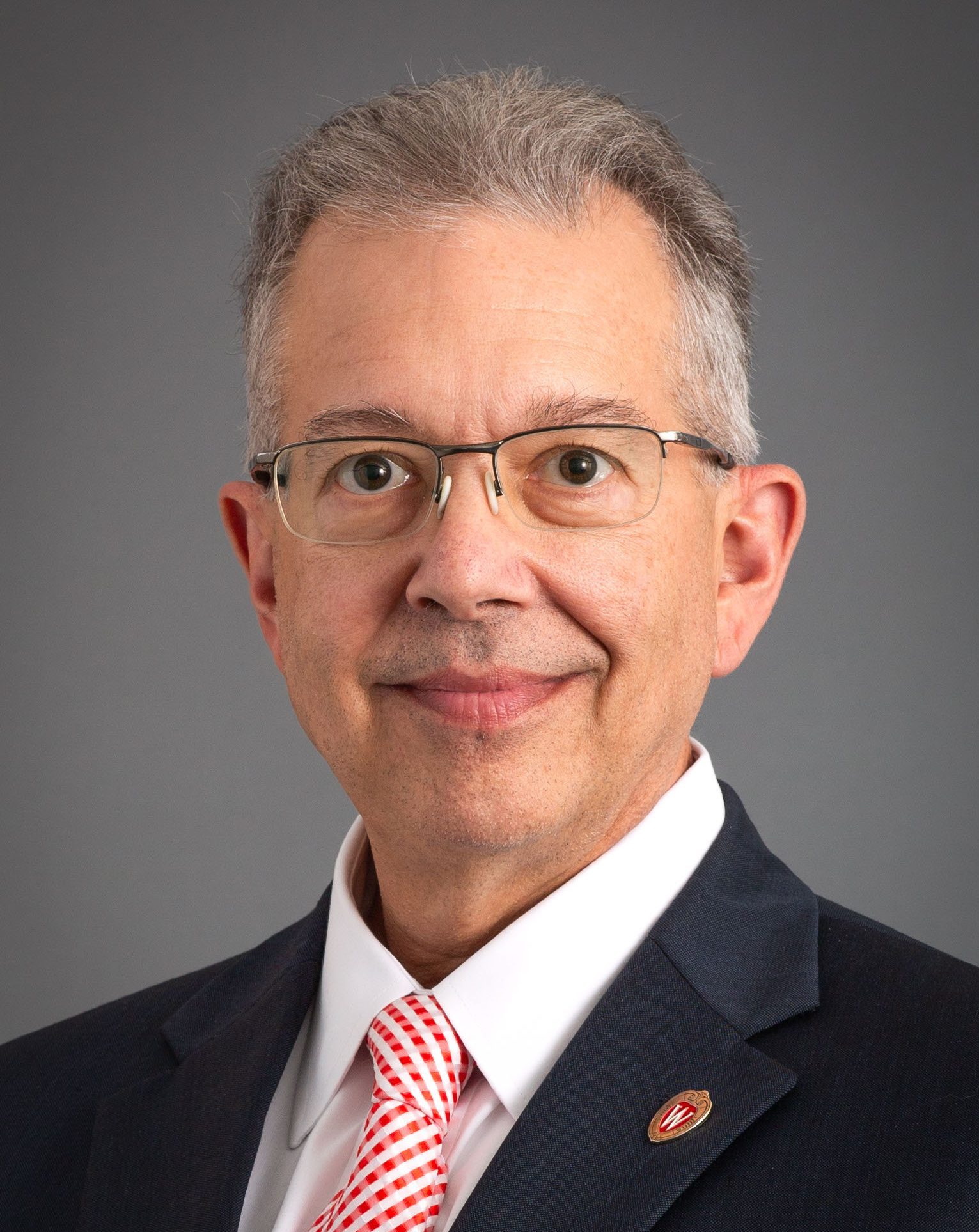
“Integrating the Office of Postdoctoral Affairs into the Graduate School elevates the needs and interests of postdocs and their mentors to a higher level on campus and solidifies postdoctoral training as an important part of our academic enterprise,” said Graduate School Dean William J. Karpus. “This builds upon the Graduate School’s mission and history in fostering excellence in graduate education.” With the move of OPA to the Graduate School, Dean Karpus has also been appointed Vice Provost for Postdoctoral Affairs.
The move creates new synergies between the services and programming available to postdocs and graduate students on campus, including academic affairs, recruitment, orientation, professional development, and high-quality mentorship, Karpus added.
Postdocs represent a wide variety of disciplines at UW–Madison. Though the majority are in the biological and physical sciences, they also conduct research and scholarship in the social sciences, arts, and humanities. The median time they spend in postdoc training at UW–Madison is just under two years, after which they continue to a diverse range of professional careers where they can leverage their graduate and postdoctoral training to become thought leaders and change makers.
Across the U.S., postdocs are critical to research progress but are often a neglected population at institutions, said Imogen Hurley, Director of the Office of Postdoctoral Affairs. Hurley said the office plays an important advocacy role for what is a distinct, but often less visible, population on campus.
“The appointment of a Vice Provost for Postdoctoral Affairs and the office’s move to the Graduate School will ensure postdocs’ needs are elevated and heard at the highest levels of the university, and demonstrates how highly our institution values its postdocs,” Hurley said.